What is Kombucha?
Kombucha is a fermented tea made by combining black or green tea with sugar and a symbiotic culture of bacteria and yeast (SCOBY). Through fermentation, kombucha develops probiotics, organic acids, and antioxidants that contribute to its health benefits. It has been consumed for centuries, originating in East Asia, and has now become a global wellness drink.
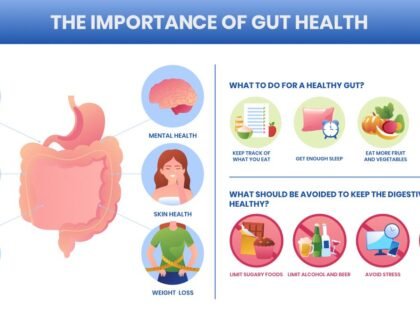
Kombucha and the Gut Microbiome
Your gut microbiome is a diverse ecosystem of trillions of microorganisms that regulate digestion, immunity, and even mental health. Kombucha supports this ecosystem in several ways:
Probiotics: Kombucha contains beneficial bacteria and yeasts that help restore microbial balance. These probiotics crowd out harmful bacteria and support digestion.
Organic Acids: Acetic acid and gluconic acid produced during fermentation have antimicrobial properties, helping reduce pathogenic bacteria in the gut.
Polyphenols: Derived from tea, these antioxidants reduce inflammation and protect gut lining integrity.
Health Benefits of Kombucha: Evidence and Insights
Kombucha and Liver Health
Kombucha, especially when brewed with green tea, exhibits antioxidant activity that may protect the liver. Antioxidants neutralize free radicals, which can damage cells. Studies have shown that regular kombucha consumption reduces liver toxicity caused by harmful chemicals, suggesting potential therapeutic applications for liver disease (3).
Kombucha’s Antimicrobial Properties
During fermentation, kombucha produces acetic acid, which along with tea polyphenols, demonstrates strong antibacterial activity. Studies show kombucha made from black or green tea can inhibit harmful bacteria such as Escherichia coli and Salmonella typhi, while sparing beneficial probiotic microbes (4).
Kombucha and Heart Health
Cardiovascular disease remains the leading global cause of death. Studies suggest kombucha can improve lipid profiles by lowering LDL (“bad”) cholesterol and raising HDL (“good”) cholesterol within 30 days (5). Additionally, green tea polyphenols in kombucha protect LDL particles from oxidation, a key factor in heart disease progression (1,2).
Kombucha and Type 2 Diabetes
Type 2 diabetes affects over 462 million people worldwide. Studies demonstrate that kombucha slows carbohydrate digestion, lowers blood sugar, and improves liver and kidney function (3). A 2023 pilot study found that daily kombucha intake (240 mL for 4 weeks) reduced fasting blood glucose compared to placebo (7). Another randomized controlled trial in 2023 showed kombucha lowered post-meal blood sugar responses in healthy adults (8).
Kombucha and Cancer Prevention
Cancer involves uncontrolled cell growth and mutation. Kombucha may inhibit cancer cell proliferation, likely due to its high polyphenol and antioxidant content (1,6). Tea polyphenols are thought to block gene mutations, suppress tumor growth, and promote cancer cell death. While tea consumption is linked to reduced cancer risk, direct human evidence for kombucha’s anticancer effects is lacking and requires further investigation.
References
- Jayabalan R, Malbaša RV, Lončar ES, Vitas JS, Sathishkumar M. A review on kombucha tea—microbiology, composition, fermentation, beneficial effects, toxicity, and tea fungus. Compr Rev Food Sci Food Saf. 2014;13(4):538–550.
- Chakravorty S, Bhattacharya S, Chatzinotas A, Chakraborty W, Bhattacharya D, Gachhui R. Kombucha tea fermentation: Microbial and biochemical dynamics. Int J Food Microbiol. 2014;171:11–19.
- Bhattacharya D, Gachhui R, Sil PC. Effect of kombucha tea on chromate (VI)-induced oxidative stress in albino rats. BMC Complement Altern Med. 2011;11:73.
- Greenwalt CJ, Ledford RA, Steinkraus KH. Determination and characterization of the antimicrobial activity of the fermented tea kombucha. LWT – Food Sci Technol. 1998;31(3):291–296.
- Aloulou A, Hamdi M, Gargouri Y. Kombucha tea reduces cholesterol and triglycerides in rats. Lipids Health Dis. 2012;11:71.
- Kapp JM, Sumner W. Kombucha: A systematic review of the literature. Ann Epidemiol. 2019;29:66–70.
- Ecklu-Mensah G, Miller R, Maseng MG, Hawes V, Hinz D, Kim C, Gilbert JA. Modulating the human gut microbiome and health markers through kombucha consumption: A controlled clinical study. Sci Rep. 2025;15:11234.
- Fraiz GM, Bonifácio DB, Santos de Paulo R, Teixeira CM, Martino HSD, Barros FAR, et al. Benefits of kombucha consumption: A systematic review of clinical trials focused on microbiota and metabolic health. Fermentation. 2025;11(6):353.
Dr. Ganasoundari, PhD