Your gut is home to trillions of microorganisms, bacteria, fungi, etc, that form a dynamic ecosystem known as the gut microbiome. This community plays a vital role in digestion, immune defence, nutrient absorption, and even mental health. But modern lifestyles often disrupt this balance, leading to bloating, fatigue, and chronic inflammation. That is where probiotics and fermented foods come in.
What Are Probiotics?
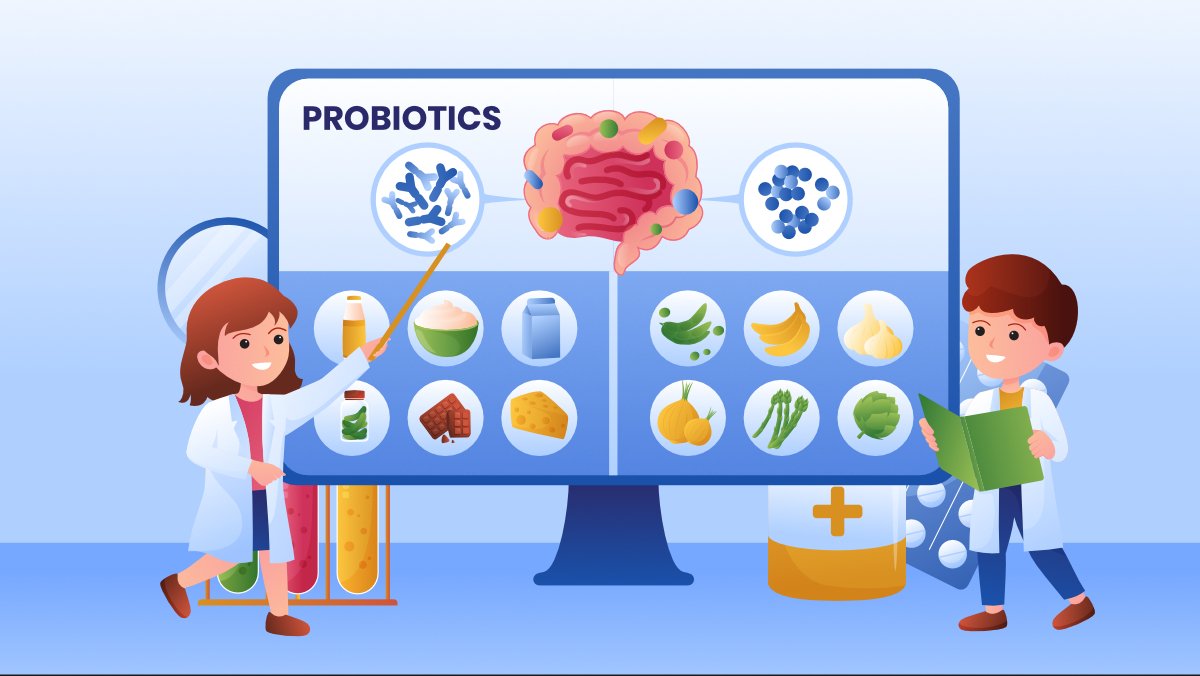
Probiotics are live microorganisms that, when consumed in adequate amounts, confer health benefits by restoring and maintaining a healthy gut microbiome. They help crowd out harmful bacteria, support digestion, and modulate immune responses.
Common probiotic strains:
- Lactobacillus – aids in lactose digestion and gut barrier function
- Bifidobacterium – supports immunity and reduces inflammation
Fermented Foods: Nature’s Probiotic Powerhouses
Fermented foods are rich in naturally occurring probiotics and bioactive compounds. They are created through microbial fermentation, which enhances flavor, shelf life, and nutritional value.
Examples include:
- Kombucha, tempeh, and miso
- Yogurt, kefir, and buttermilk
- Sauerkraut, kimchi, and pickles
Regular consumption of fermented foods has been shown to:
- Increase microbial diversity
- Improve digestion and nutrient absorption
- Reduce gut inflammation
- Enhance mood and cognitive function through the gut–brain axis
Gut–Brain Connection
Emerging research highlights how gut bacteria influence brain chemistry. Probiotics may help reduce anxiety and depression by regulating neurotransmitters like serotonin and GABA.
Kombucha: A Functional Fermented Favorite
Kombucha, a fermented tea rich in probiotics, organic acids, and antioxidants, supports gut health by:
- Promoting microbial balance
- Enhancing detoxification
- Providing a refreshing alternative to sugary drinks
Key Takeaway
Incorporating probiotics and fermented foods into your daily diet is a simple, powerful way to nurture your gut. Whether it is a spoonful of yogurt, a glass of kombucha, or a serving of kimchi, these foods help restore harmony in your digestive system and boost overall wellness.
References
- Chandrasekaran P, Weiskirchen S, Weiskirchen R. Effects of probiotics on gut microbiota: An overview. Int J Mol Sci. 2024;25(11):6022.
- Park I, Mannaa M. Fermented foods as functional systems: Microbial communities and metabolites influencing gut health. Foods. 2025;14(13):2292. doi:10.3390/foods14132292
- Pihelgas S, Kaldmäe M, Kaldmäe H, et al. Impact of fresh and fermented vegetable consumption on gut microbiota and body composition: A randomized controlled trial. Front Nutr. 2025;12:1623710.
- Marco ML, Heeney D, Binda S, et al. Health benefits of fermented foods: Microbiota and beyond. Curr Opin Biotechnol. 2022;70:163–170.
- Harvard T.H. Chan School of Public Health. Probiotics for gut health. The Nutrition Source. Available from: https://www.hsph.harvard.edu/nutritionsource/probiotics/
- 6. Springer. Fermented foods and their impact on gut health. In: Fermented Foods in Health and Disease Prevention. Cham: Springer; 2025. p. 85–102. Available from: https://link.springer.com/chapter/10.1007/978-3-030-98556-1_4