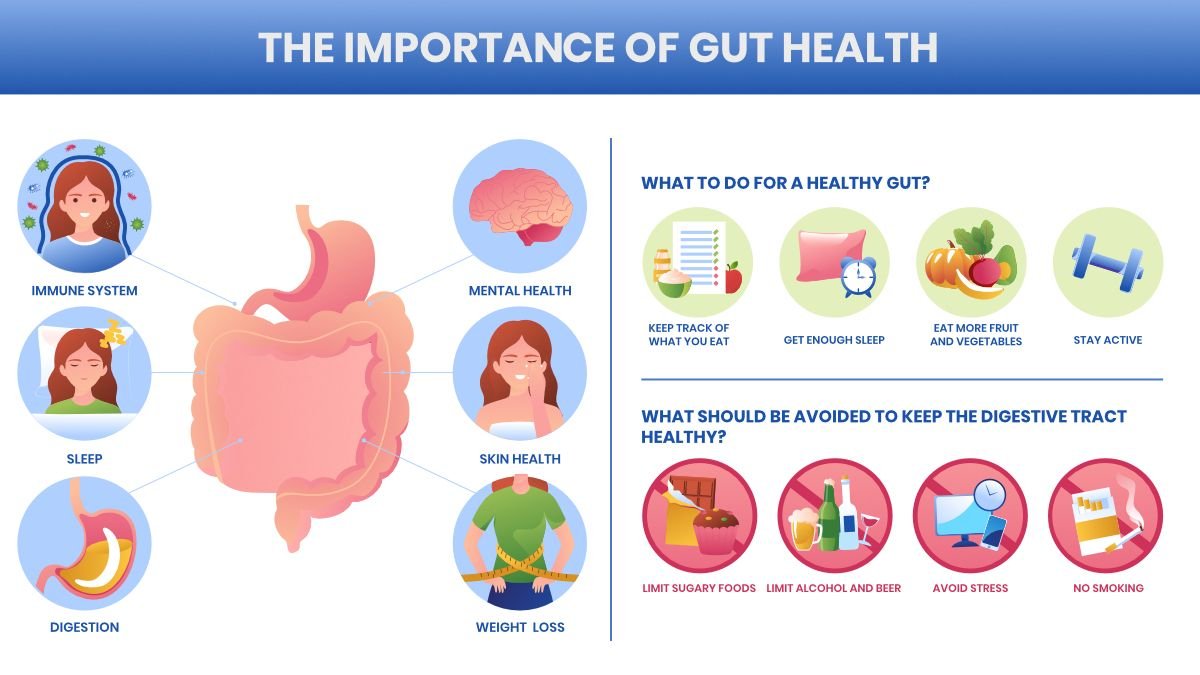
Gut health is central to overall well-being—it influences digestion, immunity, energy levels, and even mental health. A balanced gut microbiome helps absorb nutrients, fight infections, and regulate mood, while poor gut health can lead to bloating, fatigue, and chronic disease risks.
Why Gut Health Matters
Digestion & Nutrient Absorption
- The gut breaks down food and ensures vitamins, minerals, and proteins are absorbed effectively.
- Poor gut health can cause malabsorption, leading to deficiencies in iron, vitamin B12, and other key nutrients.
Immune System Support
A diverse gut microbiome helps fight infections and reduces inflammation.
Mental Health & Brain Function
Healthy gut bacteria produce neurotransmitters like serotonin, which regulate mood and reduce risks of anxiety or depression.
Energy & Metabolism
A balanced gut microbiome improves energy regulation and prevents blood sugar crashes.
Poor gut health can contribute to obesity, diabetes, and metabolic disorders.
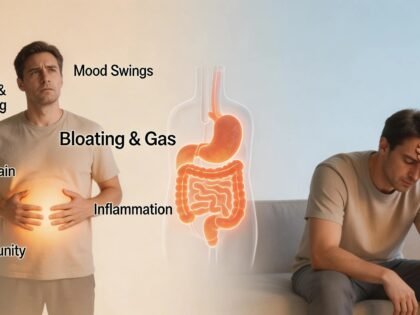
Signs of Poor Gut Health
- Frequent bloating, constipation, or diarrhea
- Brain fog or low energy
- Increased food intolerances
- Recurring infections or inflammation
How to Support Gut Health
|
Strategy
|
Examples
|
Benefits
|
|
Eat fiber-rich foods
|
Whole grains, legumes, fruits, vegetables
|
Feed beneficial bacteria
|
|
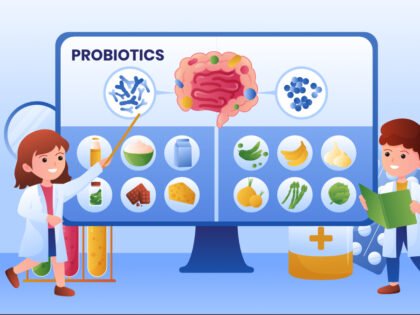
Include fermented foods
|
Kombucha, Yogurt, kefir, kimchi,
|
Add probiotics
|
|
Stay hydrated
|
Water, herbal teas
|
Aid digestion
|
|
Limit processed foods
|
Reduce sugar, refined carbs
|
Prevent harmful bacteria growth
|
|
Manage stress
|
Meditation, exercise
|
Balance gut-brain axis
|
|
Sleep well
|
7–8 hours nightly
|
Support microbiome diversity
|
Key Takeaway
Gut health is not just about digestion. It is a foundation for immunity, energy, and mental clarity. By eating fiber-rich and fermented foods, staying active, and managing stress, you can build a resilient gut microbiome that supports long-term health.
References
- Proctor LM. The national institutes of health human microbiome project. In Seminars in Fetal and Neonatal Medicine 2016 Dec 1 (Vol. 21, No. 6, pp. 368-372). WB Saunders.
- Khanna S. Mayo clinic on digestive health: how to prevent and treat common stomach and gut problems. Rosetta Books; 2020 Jan 22.
- Singh RB, Chaudhury J, De Meester F, Wilczynska A, Wilson DW, Hungin AP. The gut, brain, and heart connection. World Heart Journal. 2011 Apr 1;3(2):151.
- Manske S. The Gut-Brain Connection: Implications for Health. Altern Ther Health Med. 2024 Apr 1;30(4):6-9.